
When the planner no longer needs to place orders
The debate surrounding artificial intelligence in the supply chain often focuses on future scenarios. Yet one key issue is frequently overlooked: many companies could already significantly reduce the workload on their planning teams today – through automated scheduling. This is because the day-to-day work of many planners still consists of routine tasks: checking requirements, creating purchase orders, releasing production orders, monitoring deadlines or tracking missing parts. Highly qualified staff often act as a human interface between the ERP system, Excel and supplier communication. The problem is not new. What is new, however, is the pressure companies now face. A shortage of skilled workers, volatile markets and increasing complexity are making traditional scheduling processes increasingly inefficient. At the same time, modern planning systems can now automate a large proportion of these operational tasks. Purchase orders and production orders can be generated, prioritised and scheduled based on rules. Technically, this is no longer a vision of the future. Yet there remains a great deal of reluctance.

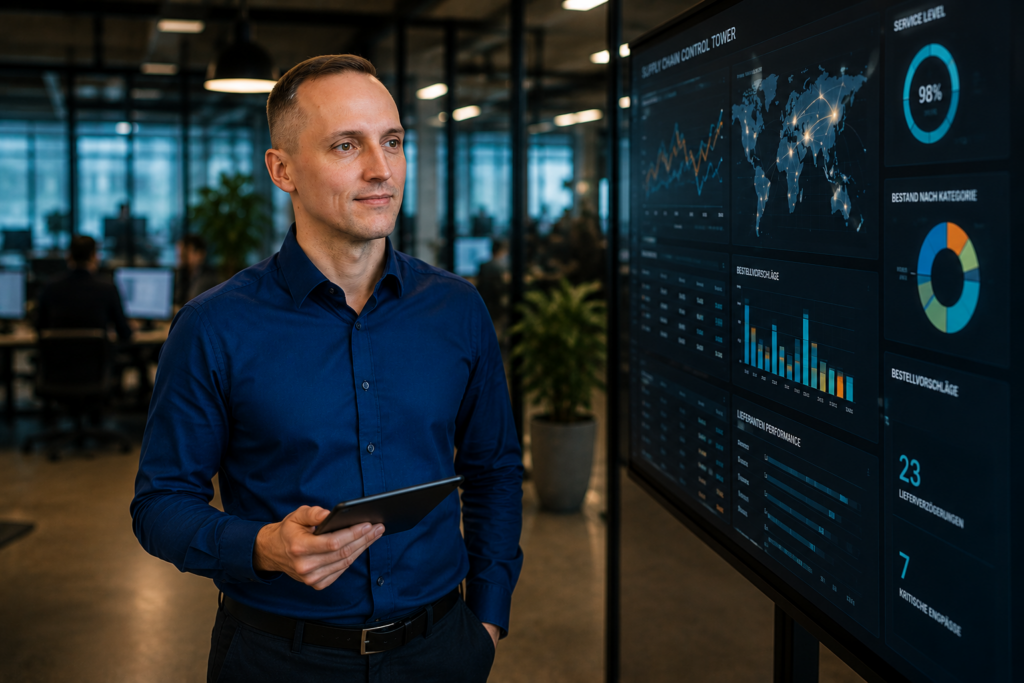
Many companies question not so much the technology as the organisational implications: transferring responsibility to systems automatically changes the role of the planner. Yet this is precisely where the real benefit lies. After all, planners are urgently needed elsewhere today. Supply chains have become more prone to disruption, risks are increasing, and coordination with suppliers and production is becoming more complex. At the same time, companies expect higher delivery capability with lower stock levels. The decisive resource is therefore no longer pure processing capacity, but planning expertise. Companies that automate operational routines create scope for precisely these tasks: identifying bottlenecks early, assessing risks, analysing scenarios or coordinating measures. The role of the planner is thus shifting from order generation to the active management of the supply chain. This also brings a new perspective to the debate on artificial intelligence. AI does not demonstrate its value by replacing people. Rather, the key factor is that employees gain time to make better decisions.
The key question is therefore no longer whether systems are capable of scheduling. Most have been able to do so for some time now. The more important question is: what should qualified schedulers be spending their time on in future?