
Analysing and increasing the efficiency of supply chain processes
Abels & Kemmner has many years of experience with the constraint analysis of supply chain processes. Our experienced consultants ensure the quality of the analyses and concepts and put the findings into practice.
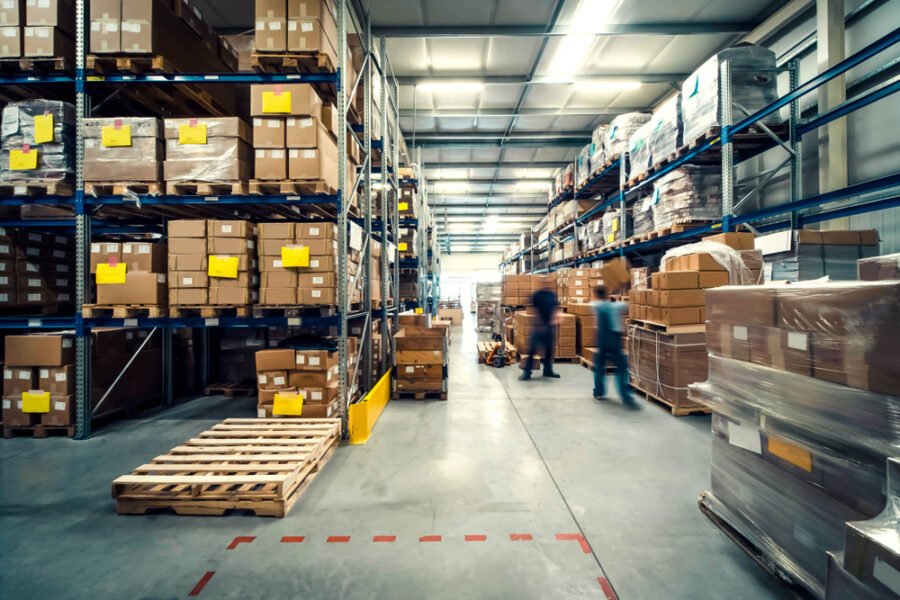
Constraint analysis along the value chain
Readiness to deliver
Increasing the willingness to deliver to the customer
Inventory turnover rates
Increasing inventory turnover rates
Lead times
Reduction of throughput times in production
Reject rate
Increasing quality and reducing reject rates
Transparency
Resolving bottlenecks and increasing transparency
Situation
Supply chains represent a network of machines, materials, logistics, processes, methods, customers, suppliers, employees and business rules whose interaction is often intransparent and always complex and whose results often do not meet expectations or requirements.
But how can efficiency be increased and how can key weak points be identified?
Solutions
The result of the constraint analysis is a so-called reality tree, which, like a circuit diagram, shows the cause-and-effect network between recognised symptoms and the underlying root causes.
Based on the constraint analysis, we develop action plans to increase efficiency and implement them together with you.
They represent the bottlenecks in the technical-organisational system that slow down the performance of the overall system. These bottlenecks are eliminated.
Efficiency analysis and improvement using constraint analysis

Constraint analysis is like a spotlight in the fog of supply chain complexity. It precisely highlights the bottlenecks that inhibit efficiency and offers clear ways to sustainably increase performance and reduce costs.
Armin Klüttgen
We use constraint analysis to untangle the complex web of your processes and identify the key factors that limit your success. It is a decisive step towards not only solving problems, but turning them into opportunities for optimisation and growth.
Dirk Ungerechts

Conclusion: Achieving Sustainable Process Optimization with Constraint Analysis
To succeed in today’s volatile markets and supply chains, companies need robust processes. Constraint analysis provides an effective way to identify performance limitations, eliminate bottlenecks and secure competitive advantages. Abels & Kemmner supports you with rigorous analysis, advanced technology and practical implementation.
FAQ – Frequently Asked Questions
What is constraint analysis in supply chain management?
Supply chain constraint analysis identifies the factors that limit the performance of the overall system. These constraints may involve capacity, material availability, planning rules or organizational processes. By examining cause-and-effect relationships, the analysis helps companies focus improvements on the issues that have the greatest impact on supply chain performance.
How does constraint analysis identify supply chain bottlenecks?
Constraint analysis examines how processes, resources and business rules interact along the value chain. Problems such as delivery delays, excess inventory or long production lead times are traced back to their underlying causes. This helps distinguish a constraint that limits overall performance from a local problem with less impact on the supply chain.
What is a Current Reality Tree in constraint analysis?
A Current Reality Tree maps the cause-and-effect relationships between observed problems and their underlying root causes. It shows how issues such as shortages, high inventory and production delays may be connected. This structured overview helps teams develop a shared understanding of the situation and identify where corrective action should begin.
How does constraint analysis differ from traditional process optimization?
Traditional process optimization often focuses on improving individual activities or departments. Constraint analysis examines which factors limit the performance of the supply chain as a whole. It helps prioritize changes that improve overall results, rather than assuming that greater efficiency in every individual process will automatically benefit the entire system.
Can constraint analysis improve delivery performance and reduce inventory?
Yes, constraint analysis can identify underlying causes of poor delivery performance and excess inventory, such as conflicting planning rules or recurring bottlenecks. Addressing these causes can improve material flow and reduce unnecessary stock. The achievable results depend on the constraints identified and how effectively the resulting measures are implemented.
How are the findings of a constraint analysis put into practice?
The findings are translated into an action plan that addresses the identified root causes and constraints. Measures may include changes to planning rules, responsibilities, material flows or capacity allocation. Abels & Kemmner develops these plans with your teams and supports implementation, using relevant performance indicators to assess progress.